





 |
|
 |
Photos
Resources
Your Voice
|
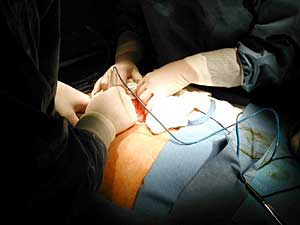 |
| Gastric bypass surgery is becoming an increasingly popular method of treating morbid obesity. New research indicates such surgeries also dramatically improve the health of the patient. (MPR file photo) |
|
St. Paul, Minn. — It looks like weight loss surgery melts away more than the pounds. A study by Dr. Henry Buchwald of the University of Minnesota says weight loss surgery has been effective in reducing or eliminating Type 2 diabetes, hypertension, sleep apnea and high cholesterol.
"This is a solid study showing that not only does obesity surgery cause a marked weight reduction, but it causes resolution of these four terrible disease entities," says Dr. Buchwald.
 | | ||
| |||
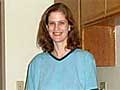
|  Heather Hirsch Heather Hirsch | | |
| |||
Buchwald and colleagues analyzed data from more than 130 studies that included more than 22,000 weight loss surgery patients. He says the analysis shows that weight loss surgery helps eliminate certain diseases in patients.
For example, Buchwald says diabetes was eliminated in 77 percent of the patients analyzed. The surgery also eliminated hypertension in 62 percent and reduced high cholesterol levels in more than 70 percent.
The findings are significant because billions of dollars are spent every year in treating obesity related illnesses. Buchwald, who performs weight loss surgery, says it could save HMOs and employers money in the long run. Many HMOs cover the procedure if a patient is considered obese.
"The surgery is cost effective in about four years. So if we're looking to the future of a nation where we have an ongoing and ever increasing epidemic of obesity -- to decrease the health burden in the future it pays to address the health burden now," says Buchwald.
The analysis was paid for by a Johnson & Johnson subsidiary that manufactures health products like stomach staplers.
Buchwald, who is also a consultant to the Johnson & Johnson subsidiary, said there is evidence that when the intestinal tract is rearranged in obesity surgery, patients who were diabetic are "cured" even before they start shedding significant amounts of weight. That may be because such operations alter the intestinal hormones, he said.
 | | ||
| |||
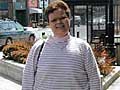
| Karen Thompson | | |
| |||
Also, doctors have long known that losing weight helps improve blood pressure and cholesterol levels by reducing stress on the cardiovascular system.
Weight loss surgery consists of sectioning off the stomach into the size of a small pouch. The procedure is growing in popularity. Buchwald says there's a year-long waiting list to get the surgery in his office. He only recommends it for people who are more than 100 pounds overweight.
Heather Hirsch of St. Paul got the surgery a few years ago, when she weighed 312 pounds. She says she worried about getting diabetes, heart disease or cancer.
"It was mostly based on health. I wasn't happy with the way I looked and it's really hard to be in the world when you're that heavy. But mostly I was concerned about my health, say 10 years down the line."
Hirsch now weighs 160 pounds, and says she feels good. She had no complications from the surgery. But others aren't as lucky. Up to 20 percent of patients who receive gastric bypass need followup surgeries to correct complications.
"You do get the weight off, but your long term health is not good," says Karen Thompson, who has had major complications from gastric bypass surgery. "So at what point are you kind of trading one bag of problems for another?"
 | | ||
| |||
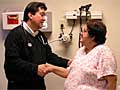
| Treating a patient | | |
| |||
Thompson, 42, says she had her first gastric bypass surgery in 1995. Since then, the Bemidji resident says she has had about a dozen surgeries to fix complications from the original surgery. She says she's often malnourished and dehydrated as a result of the surgery. Thompson says she wouldn't recommend against the surgery, but wants people to know it can cause severe complications.
"I don't know how I'm going to feel when I wake up. I'm constantly at the doctor. I never know when my next surgery is going to be because there have been so many problems that have come up," says Thompson. The current findings may also play an important role in federal policy. Health officials have been lobbying the federal government to have Medicare cover weight loss surgery.
Dr. Michael Gonzalez-Campoy, a physician with the Minnesota Center for Obesity, Metabolism and Endocrinology, says he's not surprised by the findings. But he worries many patients may look at the surgery as an easy way to lose weight.
"There is a tendency to say, 'I don't want to take care of myself, I don't want to put the energy into this. I'm going to get surgery so I can eat anything that I want,'" says Gonzalez-Campoy. "That is absolutely the wrong message for any patient. Surgery is not an excuse. It's an incentive to take better care of yourself."
Gonzalez-Campoy says weight loss surgeries should be the final option for a patient. Gonzalez-Campoy says health care providers should be preaching a good diet and proper exercise at an early age. He also says certain weight loss drugs could also help keep off the pounds.
(The Associated Press contributed to this report)
|
News Headlines
| |
Related Subjects
|
 © 2026 | Home : Terms of Use : Your Privacy Rights